Homemade Chicken Broth
Highlighted under: Nourishing Comfort Meals
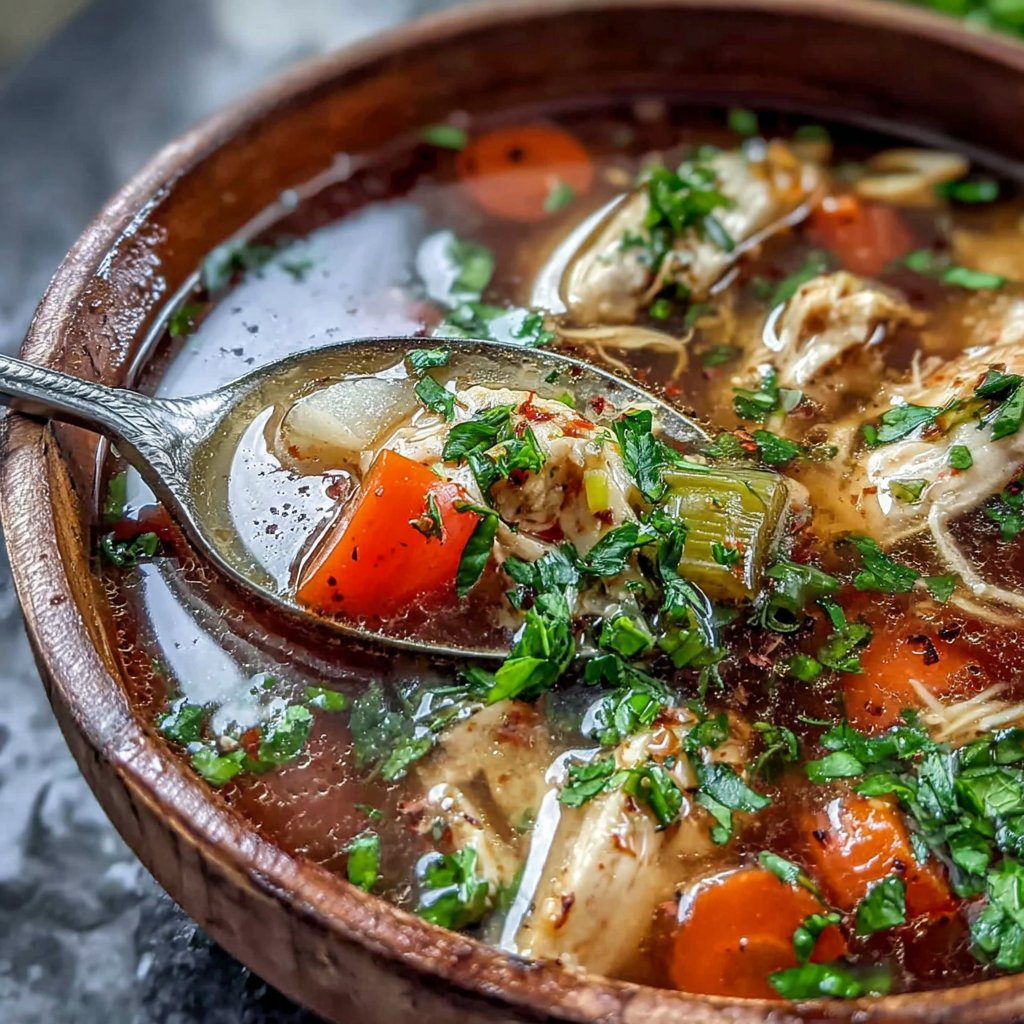
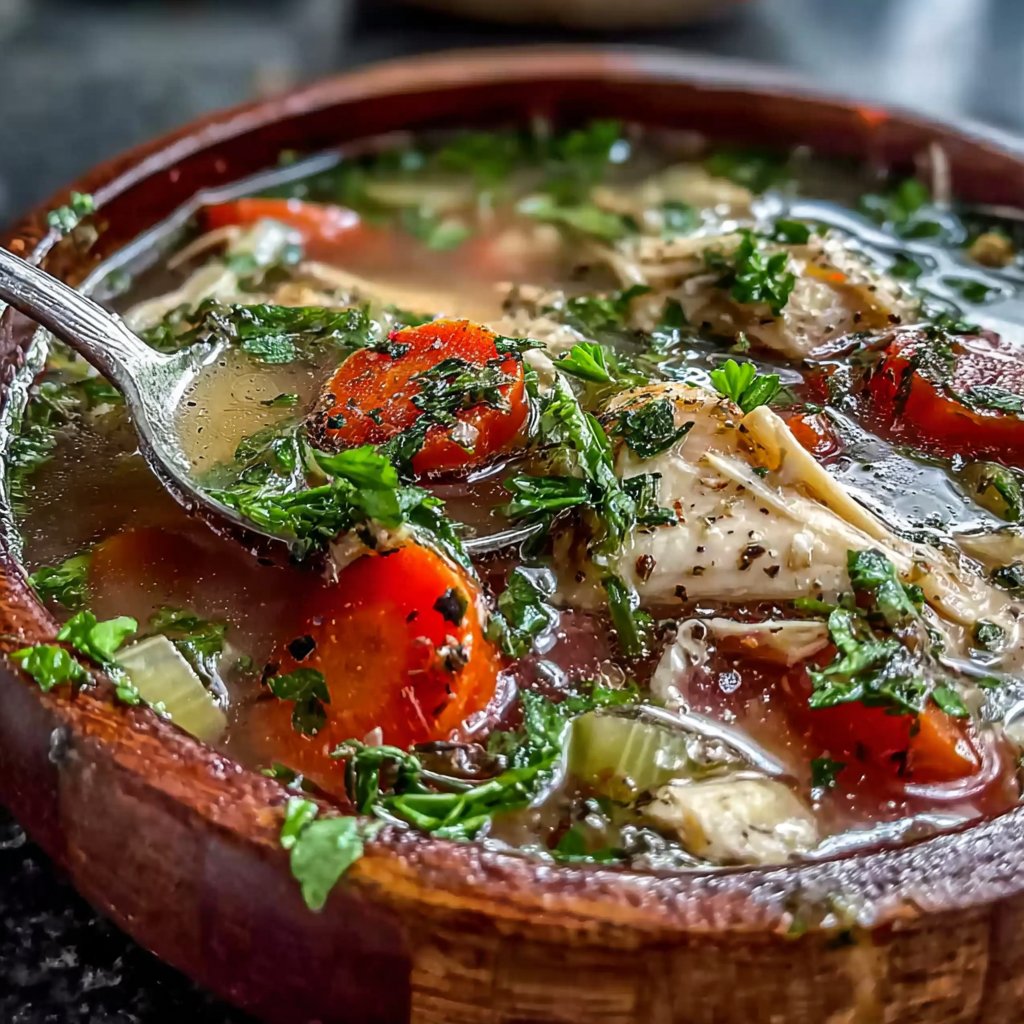
I truly believe that nothing beats the comfort of a warm, steaming bowl of homemade chicken broth. The process may seem simple, but the flavors that develop as the ingredients simmer together for hours create a depth that store-bought options simply can’t match. I love the versatility of this broth—I use it as a base for soups, stews, and even risottos. Plus, there’s something therapeutic about watching the ingredients transform, filling my kitchen with inviting aromas. It’s a culinary project that I return to time and again, enjoying the nourishing rewards.
When I first attempted to make chicken broth from scratch, I was surprised by how simple and rewarding it was. I gathered a whole chicken, fresh vegetables, and herbs, then let everything simmer gently for hours. The kitchen filled with an incredible aroma that signaled the magic happening in my pot. Using a variety of ingredients based on what I had available really helped develop a unique flavor profile that I still think about.
What I found most fascinating was how the longer I simmered the broth, the more the flavors intensified. It was a lesson in patience and an excellent reminder of how sometimes the best things in life take time. I encourage you to try this method; it’s worth the effort and makes for a versatile base in countless dishes.
Why You'll Love This Recipe
- Rich, savory depth of flavor that enhances any dish
- A nourishing, wholesome base that’s perfect for soups
- Customizable with your favorite vegetables and herbs
The Importance of Simmering
Simmering is the key to extracting the rich flavors from both the chicken and the vegetables. By maintaining a gentle boil, instead of a harsh rolling boil, you allow the ingredients to soften and release their flavors without being broken down too much. Aim for a simmer where small bubbles occasionally break the surface; this usually requires setting the heat to low after an initial boil. You'll know you're on the right track when you see the broth take on a nice golden color after about an hour.
Making homemade chicken broth is not a quick task, but it's one that rewards your patience. The longer you let the broth simmer, the more complex its flavor profile becomes. Feel free to let it go for up to 5 hours if you have the time; this is where you'll notice the broth becoming deeper and richer. Just make sure to keep an eye on the liquid level and add water if necessary to prevent it from boiling down too much.
Ingredient Roles and Substitutions
Each ingredient in this recipe plays a vital role in building flavor. The whole chicken not only provides a robust taste but also contributes gelatin when simmered, which results in a silky texture. The vegetables—onions, carrots, and celery—add a natural sweetness, making the broth balanced and flavorful. Garlic enhances the umami essence, while bay leaf and black pepper provide aromatic depth. If you're missing an ingredient, don't fret! You can substitute chicken parts like wings for a more economical option or add in parsnips or leeks for a different spin.
Herbs can be tailored to your preference as well. Although fresh parsley and thyme are classic choices, feel free to include rosemary or dill for a distinct flavor. Should you prefer a lighter broth, omit the bay leaf and reduce the peppercorns. Lastly, if you're keen on a healthy low-sodium option, simply use less salt or forego it entirely, allowing the natural flavors to shine through.
Storing and Using Your Broth
After straining the broth, allow it to cool completely to room temperature. If you want it to cool faster, consider placing the pot in a sink filled with ice water; this method can cut cooling time in half. Once cooled, portion the broth into airtight containers. I often use quart-sized jars for easy measuring; this layout simplifies reheating later. You can store it in the fridge for up to a week, or freeze it for several months. For freezer use, leave some headspace in each jar, as liquids expand when frozen.
When it comes time to use your broth, simply thaw it in the refrigerator overnight or run warm water over the container for a quicker option. Homemade chicken broth can serve as a flavorful base for a myriad of dishes—soups, stews, risottos, or even braising meats. Its versatility means you can easily adjust the resulting flavor by adding different herbs and spices, making it a staple in your kitchen.
Ingredients for Homemade Chicken Broth
Gather the following ingredients:
Ingredients
- 1 whole chicken (about 3-4 pounds)
- 2 medium onions, quartered
- 3 carrots, chopped
- 3 celery stalks, chopped
- 4 garlic cloves, crushed
- 1 bay leaf
- 1 teaspoon black peppercorns
- Fresh parsley, thyme, or other herbs (optional)
- Water (enough to cover the chicken)
Feel free to add any additional spices or vegetables you enjoy!
Steps to Make Homemade Chicken Broth
Follow these steps to create your broth:
Prepare the Chicken
Place the whole chicken in a large pot and add the onion, carrots, celery, garlic, bay leaf, and black peppercorns.
Add Water
Fill the pot with enough cold water to cover the chicken and vegetables by a few inches.
Simmer the Broth
Bring the water to a gentle boil over medium heat. Once boiling, reduce the heat to low, cover, and let simmer for about 3 hours.
Strain the Broth
After simmering, carefully remove the chicken and vegetables from the pot. Strain the broth through a fine mesh sieve into another pot or large bowl.
Cool and Store
Let the broth cool completely before transferring it to containers. Store in the fridge for up to a week or freeze for longer storage.
Your homemade chicken broth is ready to elevate any meal!
Pro Tips
- For an even richer flavor, roast the chicken and vegetables before adding them to the pot. Experiment with different herbs to find your favorite combination.
Enhancing Flavors
For an even richer flavor, consider roasting the chicken and vegetables before adding them to the pot. This caramelizes the sugars, resulting in a deep, complex flavor that enriches the broth significantly. Roast at 425°F (220°C) for about 30 minutes until they are golden, then proceed with the recipe as outlined. This extra step pays off in aromatics and taste.
Another noteworthy tweak is the addition of acid. A splash of apple cider vinegar or lemon juice can enhance flavor extraction from the bones. I typically add about a tablespoon before simmering, which helps draw out minerals and adds a subtle tang to the finished broth. Don't be afraid to experiment with different acids for varying outcomes.
Troubleshooting Common Issues
If your broth lacks flavor after following the recipe, it could be because the chicken wasn’t simmered long enough or didn’t have enough salt. Adjust the seasonings after tasting, and let it simmer more to allow flavors to meld. If it's too salty, add vegetables or water to dilute the concentration and balance the taste.
For clarity in your broth, particularly if you want it crystal clear for presentation, avoid stirring too much during the simmering process, as this can disturb the settled impurities. If the broth does appear cloudy after straining, you can pass it through a cheesecloth or coffee filter to achieve a clearer liquid.
Questions About Recipes
→ How long can I store homemade chicken broth?
You can store it in the refrigerator for up to a week or freeze it for several months.
→ Can I use leftover chicken bones?
Absolutely! Leftover bones from a roasted chicken work wonderfully for making broth.
→ What can I add to enhance the flavor?
Feel free to add spices like rosemary, dill, or even a splash of soy sauce for an umami boost.
→ How can I use homemade chicken broth?
It's perfect for soups, risottos, or as a base for sauces. You can even sip it as a warm beverage.
Homemade Chicken Broth
Created by: The Whiskwonderfood Team
Recipe Type: Nourishing Comfort Meals
Skill Level: Beginner
Final Quantity: 8 cups
What You'll Need
Ingredients
- 1 whole chicken (about 3-4 pounds)
- 2 medium onions, quartered
- 3 carrots, chopped
- 3 celery stalks, chopped
- 4 garlic cloves, crushed
- 1 bay leaf
- 1 teaspoon black peppercorns
- Fresh parsley, thyme, or other herbs (optional)
- Water (enough to cover the chicken)
How-To Steps
Place the whole chicken in a large pot and add the onion, carrots, celery, garlic, bay leaf, and black peppercorns.
Fill the pot with enough cold water to cover the chicken and vegetables by a few inches.
Bring the water to a gentle boil over medium heat. Once boiling, reduce the heat to low, cover, and let simmer for about 3 hours.
After simmering, carefully remove the chicken and vegetables from the pot. Strain the broth through a fine mesh sieve into another pot or large bowl.
Let the broth cool completely before transferring it to containers. Store in the fridge for up to a week or freeze for longer storage.
Extra Tips
- For an even richer flavor, roast the chicken and vegetables before adding them to the pot. Experiment with different herbs to find your favorite combination.
Nutritional Breakdown (Per Serving)
- Calories: 210 kcal
- Total Fat: 8g
- Saturated Fat: 2g
- Cholesterol: 75mg
- Sodium: 90mg
- Total Carbohydrates: 10g
- Dietary Fiber: 2g
- Sugars: 3g
- Protein: 12g