Decadent Vanilla Layer Cake
Highlighted under: Creative Sweet Recipe Ideas
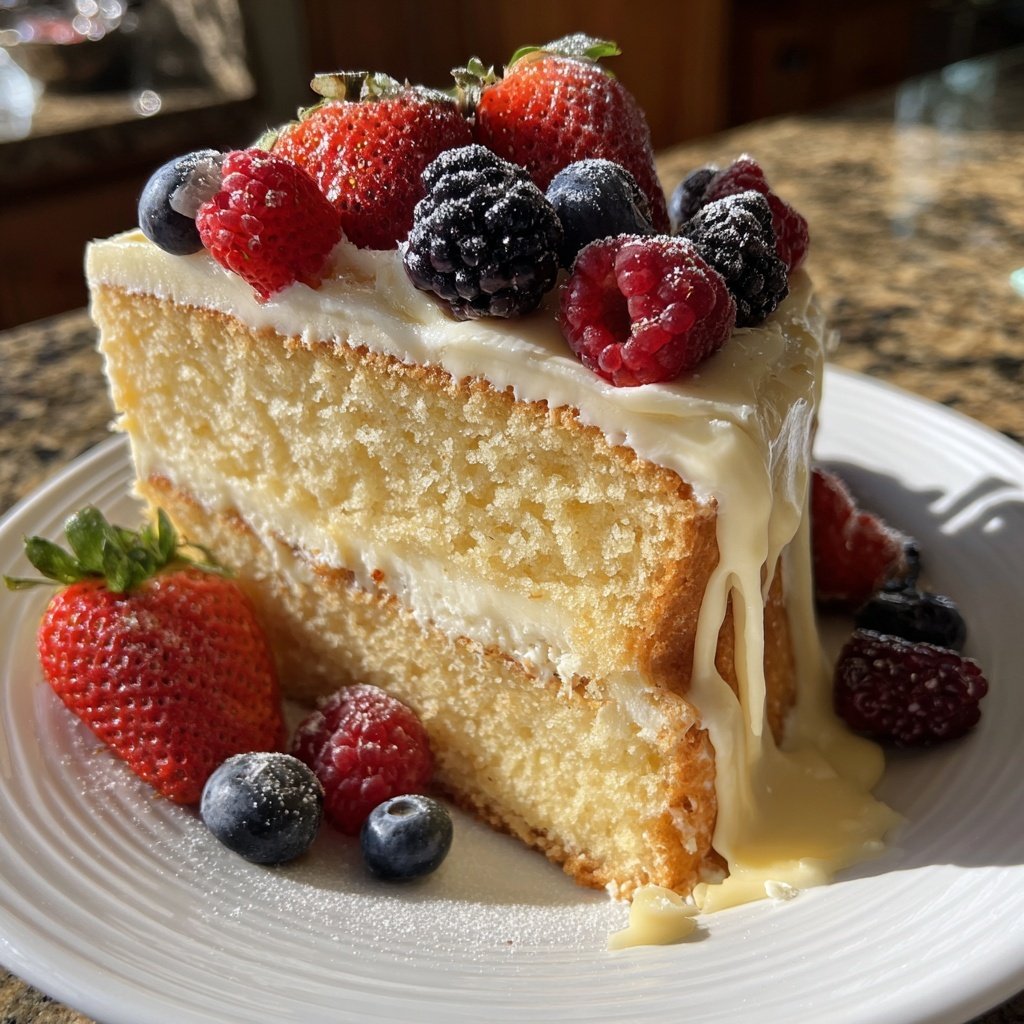
When I decided to bake a cake that could impress at any gathering, I knew it had to be a decadent vanilla layer cake. The combination of rich vanilla flavor and fluffy, moisture-packed layers always brings joy to any occasion. I love how the cake slices beautifully, revealing its soft texture and inviting layers. With this recipe, I aim to share not just the steps, but the little details that elevate the cake from ordinary to extraordinary. Trust me, baking this cake is about to become your new favorite pastime!
My journey to perfecting the decadent vanilla layer cake began with trial and error. I experimented with different brands of vanilla extract and found that using a high-quality one made a remarkable difference. The fragrant aroma fills your kitchen and makes the cake irresistible. I’ve learned that allowing the cake layers to cool completely before frosting ensures that the frosting doesn’t melt, preserving the beautiful layers and creating an elegant finish.
One of my favorite techniques is to brush a simple syrup over the layers before adding frosting. It not only keeps the cake moist but also enhances the vanilla flavor. This little touch is something I've found makes everyone come back for a second slice. It's those small details that transform a good cake into an unforgettable one!
Why You'll Love This Cake
- Lush and moist layers that melt in your mouth
- Intensely flavored with real vanilla for a truly decadent experience
- Perfect for birthdays, weddings, or any celebration
Mastering the Cake Layers
Achieving the right texture for your cake layers is crucial. When creaming the butter and sugar, aim for a light and fluffy mixture that has nearly doubled in size. This process incorporates air into the batter, leading to those moist, airy layers that melt in your mouth. Be cautious not to overmix once you add the flour; stop as soon as you see no dry ingredients. This ensures your cake remains tender rather than dense.
Baking the cake layers evenly is another key factor. Position your oven racks in the center to promote even heat distribution. If you're not sure about your oven's true temperature, investing in an oven thermometer is worthwhile. Cakes are done when they spring back gently when pressed in the center or when a toothpick comes out clean. If necessary, rotate the pans halfway through baking to prevent uneven cooking.
The Perfect Buttercream Frosting
Creating the ideal buttercream frosting is simple but requires attention to detail. Start by ensuring your butter is at room temperature; this allows for better incorporation and a creamy texture. If your frosting seems too thick after adding the powdered sugar, gradually add heavy cream, one tablespoon at a time, mixing until smooth and glossy. This balance will provide a spreadable consistency without compromising its structure during layering and decoration.
For an added flavor boost, consider experimenting with different extracts. Almond extract can complement the vanilla beautifully and add a unique depth to your frosting. Additionally, try incorporating a pinch of salt to cut the sweetness, creating a more balanced flavor profile. This subtle adjustment can elevate your frosting and enhance the overall cake experience.
Decoration and Serving Tips
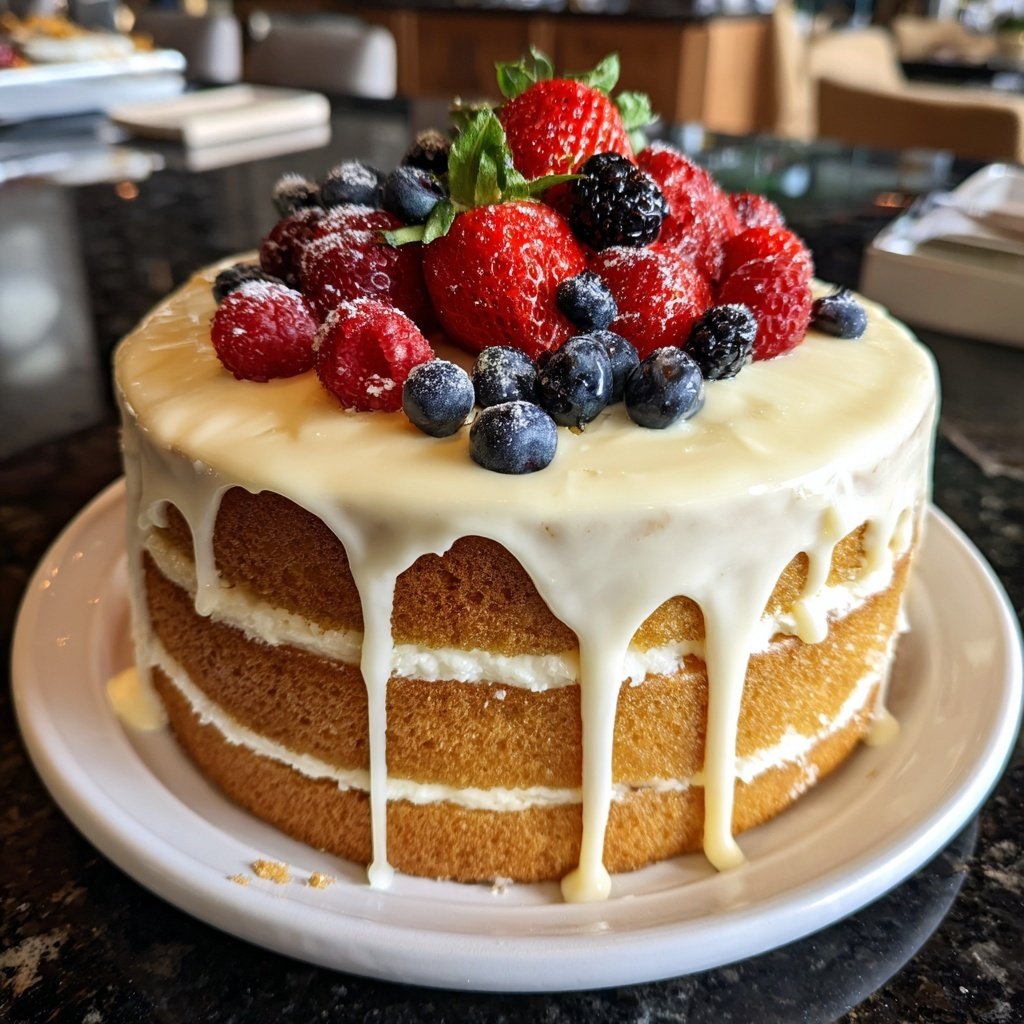
Once your cake is assembled and frosted, the decoration is your chance to personalize. Fresh berries, edible flowers, or a sprinkle of finely grated chocolate can add a visually appealing touch that enhances the cake’s flavor. I love using a simple piping bag to create decorative borders on the cake, which not only looks professional but gives your guests a hint of the creamy frosting inside.
For storage, if you have any cake leftovers, ensure they're kept in an airtight container at room temperature for up to three days. If you wish to keep the layers fresh longer, wrap each layer tightly in plastic wrap and store them in the freezer for up to a month. Just remember to bring them to room temperature before serving to restore that soft texture.
Ingredients
Gather these ingredients for a delightful baking experience:
Cake Layers
- 2 ½ cups all-purpose flour
- 2 ½ tsp baking powder
- ½ tsp salt
- 1 cup unsalted butter, softened
- 2 cups granulated sugar
- 4 large eggs
- 1 tbsp pure vanilla extract
- 1 cup whole milk
Frosting
- 1 cup unsalted butter, softened
- 4 cups powdered sugar
- 1 tbsp pure vanilla extract
- 2-4 tbsp heavy cream
Make sure all the ingredients are at room temperature for the best results!
Instructions
Follow these steps to create your mouthwatering cake:
Prepare the Cake Batter
Preheat your oven to 350°F (175°C). In a bowl, whisk together the flour, baking powder, and salt. In another large bowl, cream the butter and sugar until light and fluffy. Add the eggs one at a time, mixing well after each addition, then stir in the vanilla extract. Gradually mix in the dry ingredients, alternating with the milk until just combined.
Bake the Layers
Divide the batter evenly among three greased and floured 9-inch round cake pans. Bake for 25-30 minutes, or until a toothpick inserted into the center comes out clean. Let cool in the pans for 10 minutes before transferring to wire racks to cool completely.
Make the Frosting
In a large bowl, beat the softened butter until creamy. Gradually add the powdered sugar, mixing until well combined. Stir in the vanilla, then add enough heavy cream to achieve your desired consistency.
Assemble the Cake
Once the cake layers are completely cool, place one layer on a serving plate. Spread a layer of frosting on top, then add the second layer and repeat. Top with the final layer and coat the entire cake with the remaining frosting. Decorate as desired.
For best results, let the cake sit for a few hours to set before slicing.
Pro Tips
- For an added twist, try incorporating fresh berries between the layers or use almond extract for a unique flavor profile.
Ingredient Substitutions
If you're looking for a lighter cake, consider replacing some of the all-purpose flour with cake flour. Cake flour has a lower protein content, resulting in an even softer texture. You may also use buttermilk in place of whole milk for a subtle tang and extra moisture, which can enhance the cake’s flavor profile.
For a dairy-free version, substitute the milk with almond milk or oat milk, and use vegan butter for the frosting. These alternatives work well, especially if you're catering to specific dietary preferences, without sacrificing texture or flavor.
Make-Ahead Strategy
This cake is an excellent candidate for make-ahead preparation! You can bake the cake layers up to two days in advance. Once cooled completely, wrap each layer well in plastic wrap and store them in the refrigerator. This can help the flavors meld together better before frosting, making for a more flavorful cake when served.
The buttercream frosting can also be made ahead of time. Simply store it in the fridge in an airtight container. Just remember to give it a good beating to return it to its creamy state before applying it to the cooled cake layers.
Questions About Recipes
→ Can I make this cake in advance?
Yes! You can bake the layers a day ahead and store them wrapped in plastic wrap in the refrigerator.
→ What type of flour should I use?
All-purpose flour works best for this recipe, but you can also use cake flour for an even lighter texture.
→ How can I ensure my cake layers are even?
Use a kitchen scale to weigh out the batter for each pan to make sure they are even.
→ Can I freeze the cake?
Absolutely! You can freeze the cake layers individually wrapped. Just thaw and frost before serving.
Decadent Vanilla Layer Cake
Created by: The Whiskwonderfood Team
Recipe Type: Creative Sweet Recipe Ideas
Skill Level: Intermediate
Final Quantity: 12 servings
What You'll Need
Cake Layers
- 2 ½ cups all-purpose flour
- 2 ½ tsp baking powder
- ½ tsp salt
- 1 cup unsalted butter, softened
- 2 cups granulated sugar
- 4 large eggs
- 1 tbsp pure vanilla extract
- 1 cup whole milk
Frosting
- 1 cup unsalted butter, softened
- 4 cups powdered sugar
- 1 tbsp pure vanilla extract
- 2-4 tbsp heavy cream
How-To Steps
Preheat your oven to 350°F (175°C). In a bowl, whisk together the flour, baking powder, and salt. In another large bowl, cream the butter and sugar until light and fluffy. Add the eggs one at a time, mixing well after each addition, then stir in the vanilla extract. Gradually mix in the dry ingredients, alternating with the milk until just combined.
Divide the batter evenly among three greased and floured 9-inch round cake pans. Bake for 25-30 minutes, or until a toothpick inserted into the center comes out clean. Let cool in the pans for 10 minutes before transferring to wire racks to cool completely.
In a large bowl, beat the softened butter until creamy. Gradually add the powdered sugar, mixing until well combined. Stir in the vanilla, then add enough heavy cream to achieve your desired consistency.
Once the cake layers are completely cool, place one layer on a serving plate. Spread a layer of frosting on top, then add the second layer and repeat. Top with the final layer and coat the entire cake with the remaining frosting. Decorate as desired.
Extra Tips
- For an added twist, try incorporating fresh berries between the layers or use almond extract for a unique flavor profile.
Nutritional Breakdown (Per Serving)
- Calories: 400 kcal
- Total Fat: 24g
- Saturated Fat: 15g
- Cholesterol: 90mg
- Sodium: 150mg
- Total Carbohydrates: 48g
- Dietary Fiber: 1g
- Sugars: 32g
- Protein: 4g