Tropical Salsa Salmon Bowls
Highlighted under: Seasonal Flavor Recipes
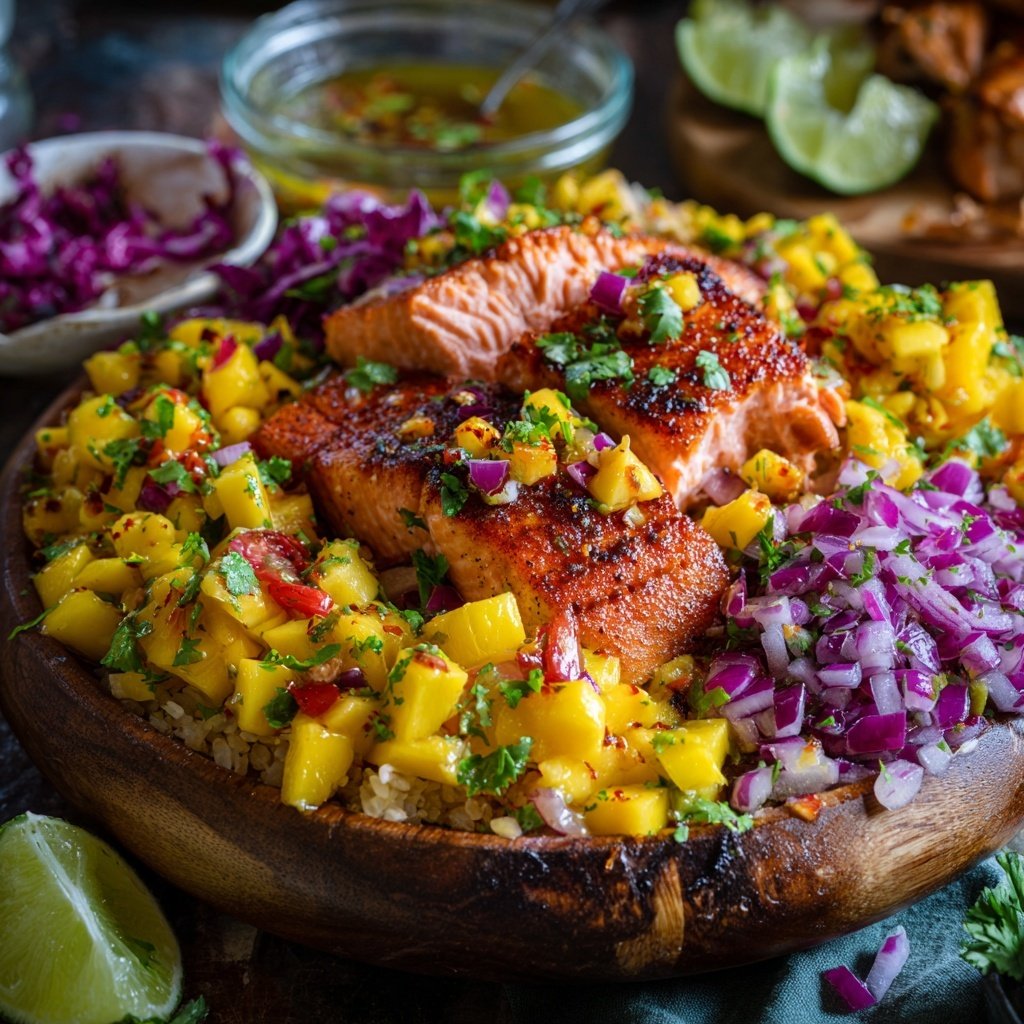
I absolutely love making Tropical Salsa Salmon Bowls because they bring a burst of color and flavor to my dinner table. This dish combines succulent salmon with a fresh tropical salsa made from diced mango, pineapple, and cilantro that truly elevates the experience. The first time I prepared this meal, I was amazed at how quickly it all came together and how the vibrant flavors made it feel like summer, even on a chilly evening. It’s become a go-to recipe for me, perfect for impressing guests or just enjoying a wholesome meal on my own.
When I first decided to experiment with tropical flavors in my cooking, I didn't expect to find a dish that would become such a staple in my home. Combining salmon with a zesty mango salsa felt like a culinary adventure, and it was a hit from the very first bite. The mix of sweet and savory flavors creates a perfect harmony that's hard to resist.
One key tip I learned while making this dish is to let the salsa sit for a few minutes before serving. This allows all the flavors to meld beautifully. Plus, using fresh ingredients makes all the difference, with the luscious salmon perfectly complemented by the acidity of lime and sweetness of the fruit. Trust me, you'll want to savor every bite!
Why You'll Love These Bowls
- Fresh, vibrant flavors that awaken the taste buds
- Healthful ingredients loaded with nutrition
- Quick and easy to prepare for any occasion
Mastering the Salmon
To achieve perfectly cooked salmon, the key is monitoring the heat level. A medium-high heat will provide that beautiful sear while keeping the inside juicy. When you first place the fillets in the skillet, don’t move them around immediately; let them cook undisturbed for about 4-5 minutes. You’ll know they’re ready to flip when the underside is golden brown and releases easily from the pan. If you notice the fillets sticking, it’s likely the skillet isn’t hot enough.
Using a non-stick skillet is ideal for cooking salmon, as it minimizes the risk of the fish breaking apart. If you prefer a crispy texture, you could use a cast iron skillet with a bit more oil. Just remember to preheat the pan well before adding the salmon to avoid sticking. This method will yield a delightful crispy exterior while ensuring a flaky interior.
Salsa Secrets
The tropical salsa is where the magic happens in this dish. The balance of sweetness from the mango and pineapple with the acidity of lime creates a harmony of flavors. Be sure to choose ripe fruits; underripe mangoes or pineapples may lack the necessary sweetness. To speed up the flavor melding process, let the salsa sit for at least 15-20 minutes before serving, allowing the ingredients to interact and intensify.
For a twist on this recipe, consider adding diced jalapeño for heat or even avocado for creaminess. If cilantro isn't your favorite, fresh mint or basil can add a vibrant, aromatic note. Storing leftover salsa in an airtight container in the fridge can keep it fresh for up to two days; just be aware that it might lose some texture over time.
Serving Suggestions
When serving the Tropical Salsa Salmon Bowls, presentation can elevate the dining experience. I like to use a shallow bowl to showcase the layers: a bed of rice or quinoa topped with the salmon and a generous scoop of salsa. Garnishing with extra lime wedges not only adds color but also allows guests to adjust the tanginess to their preference.
If you want to make this dish a bit more filling, consider adding a side of black beans or a light salad. This can enhance the meal's nutritional value while providing an appealing contrast in colors and textures. These variations make it easy to adapt the bowls to suit family preferences or dietary needs while maintaining that fresh tropical flair.
Ingredients
For the Salmon
- 2 salmon fillets
- 1 tablespoon olive oil
- Salt and pepper to taste
- 1 lime, juiced
For the Tropical Salsa
- 1 ripe mango, diced
- 1 cup pineapple, diced
- 1/4 cup red onion, finely chopped
- 1/4 cup cilantro, chopped
- 1 lime, juiced
- Salt to taste
To Serve
- Cooked rice or quinoa, as desired
- Extra lime wedges
Instructions
Prepare the Salsa
In a mixing bowl, combine the diced mango, pineapple, red onion, and cilantro. Squeeze in the lime juice and sprinkle with a pinch of salt. Mix well and set aside for the flavors to meld.
Cook the Salmon
Season the salmon fillets with olive oil, salt, and pepper. Heat a non-stick skillet over medium-high heat and cook the salmon for about 4-5 minutes on each side, or until it flakes easily with a fork.
Assemble the Bowls
In serving bowls, layer some cooked rice or quinoa, place each salmon fillet on top, and generously spoon the tropical salsa over the salmon. Serve with extra lime wedges on the side.
Pro Tips
- For even more flavor, marinate the salmon briefly in lime juice and garlic before cooking. You can also add diced jalapeño to the salsa if you like some heat.
Ingredient Substitutions
Should you need to substitute salmon, consider seared shrimp or grilled chicken. Both options can carry the flavors of the tropical salsa well and maintain the dish's overall light, bright character. If you're looking for a vegetarian alternative, marinated tofu or tempeh cooked until golden can serve as a hearty base.
For those avoiding grains, cauliflower rice is an excellent low-carb substitute for traditional rice or quinoa. Simply pulse chopped cauliflower in a food processor until it resembles rice, then sauté in a bit of olive oil for about 5-7 minutes until tender. This keeps the bowl vibrant and healthful without compromising on taste.
Make-Ahead Tips
This recipe is perfect for meal prepping! You can prepare both the salsa and salmon ahead of time. The salsa keeps well in the fridge for up to two days, making it a great make-ahead option. Just keep it covered and stir well to redistribute any liquid before serving.
For the salmon, you can marinate the fillets in lime juice and seasonings a few hours ahead or overnight to intensify the flavor. Cooked salmon can be stored in the fridge for up to three days. When ready to eat, gently reheat in a skillet over low heat for a few minutes until warmed through, ensuring it stays moist.
Storage and Reheating
Storing leftovers from your Tropical Salsa Salmon Bowls is simple. Keep the salmon and salsa separate to maintain the best texture and flavor. The salmon can be kept in the refrigerator for up to 3 days, while the salsa can last about 2 days when stored in an airtight container.
When it comes time to reheat, I recommend using the skillet method to avoid overcooking. Heat the salmon on the stove over low heat for about 3-5 minutes until warmed through. This will help retain its moisture and flavor, making the most of your delicious tropical dish.
Questions About Recipes
→ Can I use frozen salmon for this recipe?
Yes, just make sure to thaw it completely before cooking for even results.
→ What can I substitute for mango?
You can use peaches or papaya for a similar sweet flavor and texture.
→ Is this dish gluten-free?
Absolutely! All the ingredients are naturally gluten-free.
→ Can I prepare the salsa in advance?
Yes, you can prepare the salsa a few hours ahead and store it in the refrigerator. Just give it a gentle stir before serving.
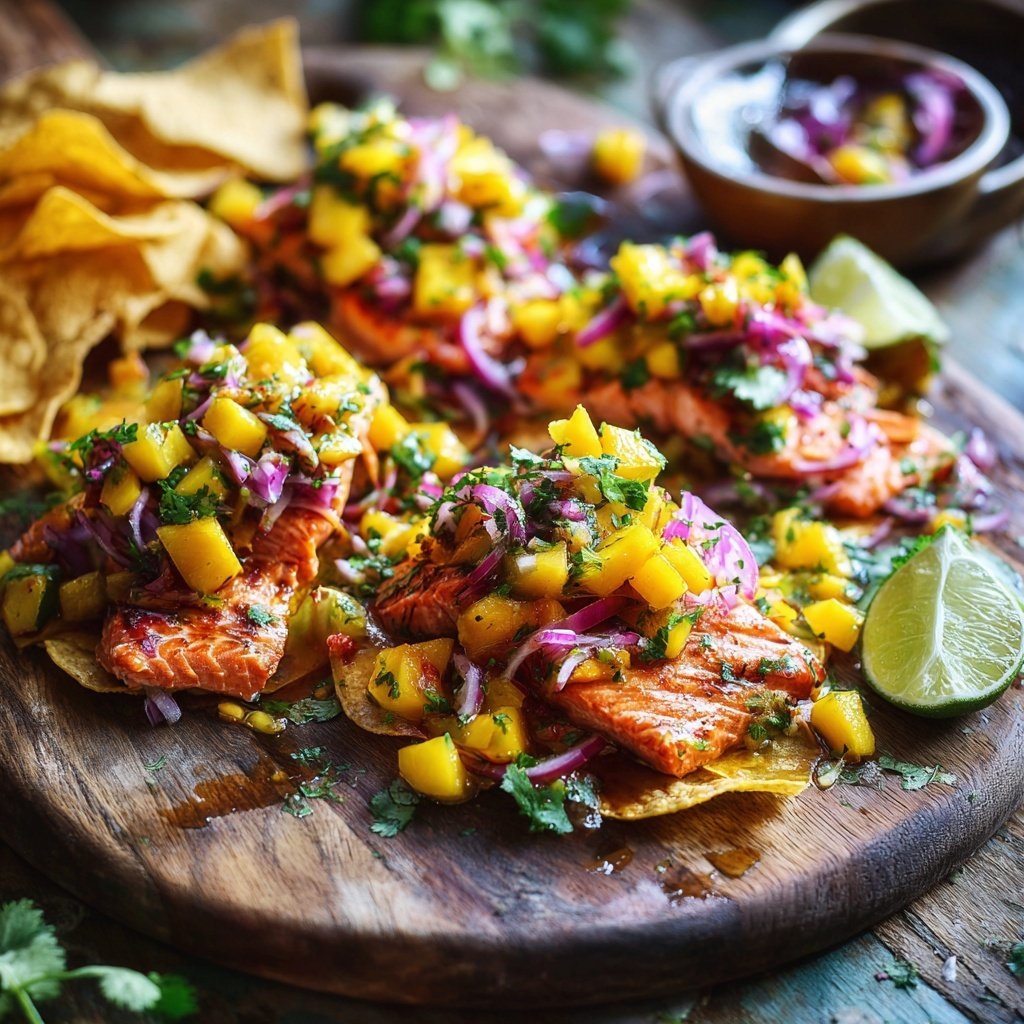
Tropical Salsa Salmon Bowls
Created by: The Whiskwonderfood Team
Recipe Type: Seasonal Flavor Recipes
Skill Level: Intermediate
Final Quantity: 2 servings
What You'll Need
For the Salmon
- 2 salmon fillets
- 1 tablespoon olive oil
- Salt and pepper to taste
- 1 lime, juiced
For the Tropical Salsa
- 1 ripe mango, diced
- 1 cup pineapple, diced
- 1/4 cup red onion, finely chopped
- 1/4 cup cilantro, chopped
- 1 lime, juiced
- Salt to taste
To Serve
- Cooked rice or quinoa, as desired
- Extra lime wedges
How-To Steps
In a mixing bowl, combine the diced mango, pineapple, red onion, and cilantro. Squeeze in the lime juice and sprinkle with a pinch of salt. Mix well and set aside for the flavors to meld.
Season the salmon fillets with olive oil, salt, and pepper. Heat a non-stick skillet over medium-high heat and cook the salmon for about 4-5 minutes on each side, or until it flakes easily with a fork.
In serving bowls, layer some cooked rice or quinoa, place each salmon fillet on top, and generously spoon the tropical salsa over the salmon. Serve with extra lime wedges on the side.
Extra Tips
- For even more flavor, marinate the salmon briefly in lime juice and garlic before cooking. You can also add diced jalapeño to the salsa if you like some heat.
Nutritional Breakdown (Per Serving)
- Calories: 450 kcal
- Total Fat: 18g
- Saturated Fat: 3g
- Cholesterol: 75mg
- Sodium: 200mg
- Total Carbohydrates: 30g
- Dietary Fiber: 5g
- Sugars: 12g
- Protein: 36g