Lemon Zest Cake Bliss
Highlighted under: Creative Sweet Recipe Ideas
When I first decided to create the Lemon Zest Cake Bliss, I wanted something that would bring a bright and refreshing twist to a classic cake. The aroma of fresh lemons combined with the sweetness of the cake creates an irresistible dessert that’s perfect for any occasion. I find that the secret to achieving a light and fluffy texture lies in the creaming of the butter and sugar until they are pale and airy. This method truly elevates the cake, making it a delight to share with friends and family.
Creating the Lemon Zest Cake Bliss was an adventure in flavor! Each time I baked this cake, I focused on enhancing the lemon flavor to make it the star of the dish. The addition of fresh lemon zest not only brings a lovely aroma but also a vibrant color that is visually appealing. I remember encountering a bit of resistance when I added the zest but learned to embrace its flavor profile! This cake truly shines with a light lemon glaze on top.
One of my favorite moments while making this cake was when I decided to experiment with a few optional ingredients, like yogurt, which added moisture without weighing down the batter. The result was soft, fluffy layers that practically melt in your mouth. Every bite offers a pleasant tanginess that keeps you reaching for just one more slice!
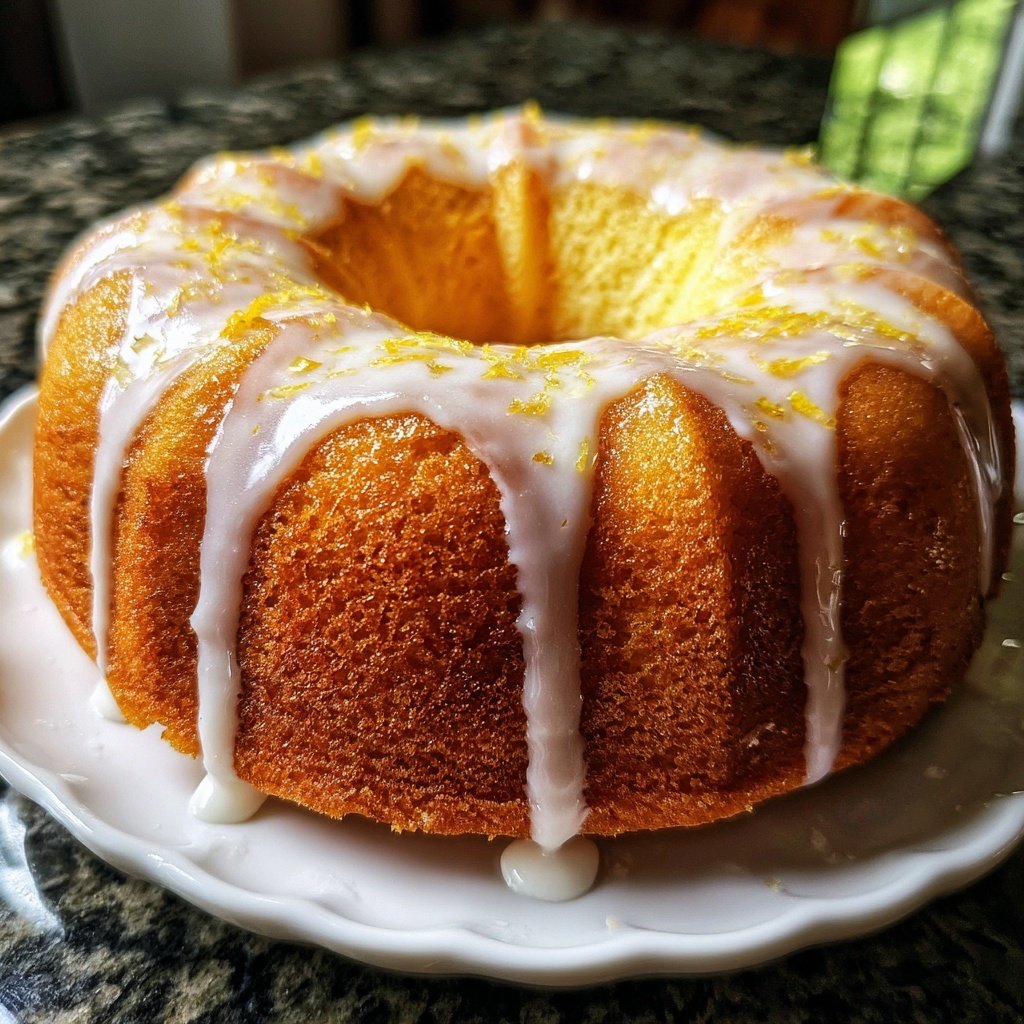
Why You'll Love This Cake
- Bright, zesty flavor that uplifts the spirit
- Perfectly moist and tender crumb
- Versatile enough for any occasion
Understanding the Ingredients
The role of lemon zest in this cake cannot be overstated. It adds not only flavor but also a fragrant aroma that elevates the overall experience. Always opt for fresh lemons when zesting, as bottled lemon zest lacks the vibrancy and essential oils needed for this recipe. The bitterness from the white pith should be avoided, so be sure to zest only the bright yellow part of the peel for that perfect zing.
Buttermilk plays a crucial role in achieving the cake's moist texture. The acidity in buttermilk tenderizes the gluten in the flour, resulting in a lovely crumb. If you don’t have buttermilk on hand, you can easily make a substitute by mixing one cup of milk with one tablespoon of white vinegar or lemon juice. Let it sit for about 5 minutes until it thickens slightly.
Perfecting Your Technique
Creaming the butter and sugar is an essential step that sets the foundation for the cake's light and airy texture. When creaming, aim for a pale, fluffy mixture that has roughly doubled in volume—this usually takes around 3 to 5 minutes with a hand mixer on medium speed. Be patient; this step is critical for incorporating air, which helps the cake rise beautifully during baking.
When blending the dry ingredients into the wet mixture, take your time to avoid overmixing. Overmixing can lead to a dense cake due to gluten development. Alternate adding the flour mixture and buttermilk in three parts: begin and end with the flour. This method helps to maintain the desired lightness of the batter.
Storing and Serving Tips
If you’re preparing the Lemon Zest Cake Bliss ahead of time, store it in an airtight container at room temperature for up to three days. For longer storage, consider freezing the layers separately. Wrap each cooled cake layer tightly in plastic wrap and then in aluminum foil; they can last in the freezer for up to three months. Simply thaw them in the refrigerator overnight before glazing and serving.
Serving this cake is versatile; it pairs wonderfully with fresh berries or a dollop of whipped cream for added richness. If you want to take it up a notch, consider adding a light dusting of extra lemon zest on top for a pop of color and a burst of lemony aroma just before serving.
Ingredients
For the Cake
- 2 cups all-purpose flour
- 1 1/2 cups granulated sugar
- 1/2 cup unsalted butter, softened
- 1 cup buttermilk
- 3 large eggs
- 2 tablespoons lemon zest
- 1 teaspoon baking powder
- 1 teaspoon baking soda
- 1/2 teaspoon salt
- 1 teaspoon vanilla extract
For the Lemon Glaze
- 1 cup powdered sugar
- 2 tablespoons lemon juice
- 1 teaspoon lemon zest
Instructions
Preparation Steps
Preheat the Oven
Preheat your oven to 350°F (175°C) and grease and flour two 8-inch round cake pans.
Combine Dry Ingredients
In a large bowl, whisk together the flour, baking powder, baking soda, and salt. Set aside.
Cream Butter and Sugar
In another bowl, beat the softened butter and granulated sugar until light and fluffy, about 3-5 minutes.
Mix in Eggs and Zest
Add the eggs one at a time, mixing well after each addition. Stir in the lemon zest and vanilla extract.
Blend in Dry Ingredients
Gradually add the flour mixture to the butter mixture, alternating with the buttermilk, starting and ending with the flour.
Bake the Cakes
Divide the batter evenly between the prepared pans and bake for 25-30 minutes or until a toothpick inserted in the center comes out clean.
Prepare the Glaze
While the cakes cool, mix the powdered sugar, lemon juice, and lemon zest in a bowl until smooth. Adjust consistency as needed.
Glaze the Cakes
Once the cakes are cool, remove them from the pans, place one layer on a serving plate, and drizzle with half the glaze. Top with the second layer and drizzle the remaining glaze on top.
Enjoy Your Cake!
Pro Tips
- Make sure to use fresh lemons to get the best flavor. For an extra layer of flavor, consider adding a hint of almond extract in the batter for a delightful twist!
Troubleshooting Common Issues
If your cake didn’t rise as expected, it could be due to expired baking powder or baking soda; always check the freshness of your leavening agents before starting. Another possibility is overmixing the batter, which can lead to a denser final product. Stick to the alternating addition method for best results to maintain maximum fluffiness.
For those finding the glaze too thick, add a teaspoon of water at a time until you achieve your desired consistency. A glaze that is too runny will not hold onto the cake well, while a thick one may not drizzle attractively.
Variations on the Classic
Feel free to get creative with flavors by infusing the glaze with different citrus juices. Lime or orange can add a delightful twist to the classic lemon glaze, brightening the cake with new notes. You can also add poppy seeds to the batter for a lovely texture and a bit of visual flair, turning this cake into a Lemon Poppy Seed Cake Bliss.
For a richer experience, consider adding a layer of lemon curd between the cake layers before glazing. This addition not only intensifies the lemon flavor but also provides a delightful tartness that contrasts beautifully with the sweetness of the cake and glaze.
Questions About Recipes
→ Can I use regular milk instead of buttermilk?
Yes, you can substitute regular milk by adding 1 tablespoon of vinegar or lemon juice to a cup of milk and letting it sit for about 5 minutes to sour.
→ How can I make this cake gluten-free?
You can use a gluten-free all-purpose flour blend to replace the regular flour in this recipe.
→ Can I freeze the cake?
Absolutely! Wrap the baked and cooled cakes tightly in plastic wrap and place in an airtight container. They can be frozen for up to 3 months.
→ What can I serve with this cake?
This cake pairs beautifully with fresh berries, whipped cream, or even a scoop of vanilla ice cream!
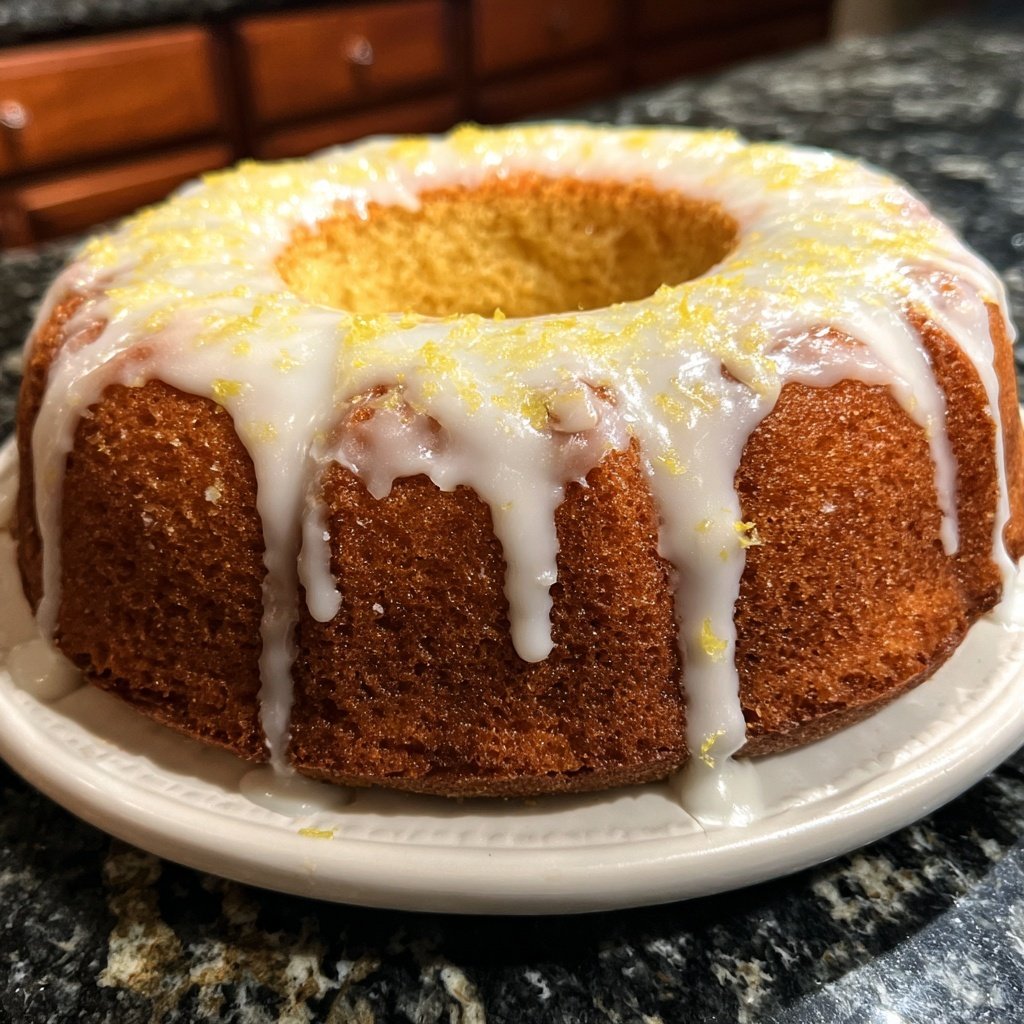
Lemon Zest Cake Bliss
Created by: The Whiskwonderfood Team
Recipe Type: Creative Sweet Recipe Ideas
Skill Level: Intermediate
Final Quantity: 8 servings
What You'll Need
For the Cake
- 2 cups all-purpose flour
- 1 1/2 cups granulated sugar
- 1/2 cup unsalted butter, softened
- 1 cup buttermilk
- 3 large eggs
- 2 tablespoons lemon zest
- 1 teaspoon baking powder
- 1 teaspoon baking soda
- 1/2 teaspoon salt
- 1 teaspoon vanilla extract
For the Lemon Glaze
- 1 cup powdered sugar
- 2 tablespoons lemon juice
- 1 teaspoon lemon zest
How-To Steps
Preheat your oven to 350°F (175°C) and grease and flour two 8-inch round cake pans.
In a large bowl, whisk together the flour, baking powder, baking soda, and salt. Set aside.
In another bowl, beat the softened butter and granulated sugar until light and fluffy, about 3-5 minutes.
Add the eggs one at a time, mixing well after each addition. Stir in the lemon zest and vanilla extract.
Gradually add the flour mixture to the butter mixture, alternating with the buttermilk, starting and ending with the flour.
Divide the batter evenly between the prepared pans and bake for 25-30 minutes or until a toothpick inserted in the center comes out clean.
While the cakes cool, mix the powdered sugar, lemon juice, and lemon zest in a bowl until smooth. Adjust consistency as needed.
Once the cakes are cool, remove them from the pans, place one layer on a serving plate, and drizzle with half the glaze. Top with the second layer and drizzle the remaining glaze on top.
Extra Tips
- Make sure to use fresh lemons to get the best flavor. For an extra layer of flavor, consider adding a hint of almond extract in the batter for a delightful twist!
Nutritional Breakdown (Per Serving)
- Calories: 320 kcal
- Total Fat: 8g
- Saturated Fat: 5g
- Cholesterol: 55mg
- Sodium: 150mg
- Total Carbohydrates: 56g
- Dietary Fiber: 1g
- Sugars: 32g
- Protein: 4g