Korean Black Bean Noodles Jjajang
Highlighted under: Cross-Cultural Cooking Recipes
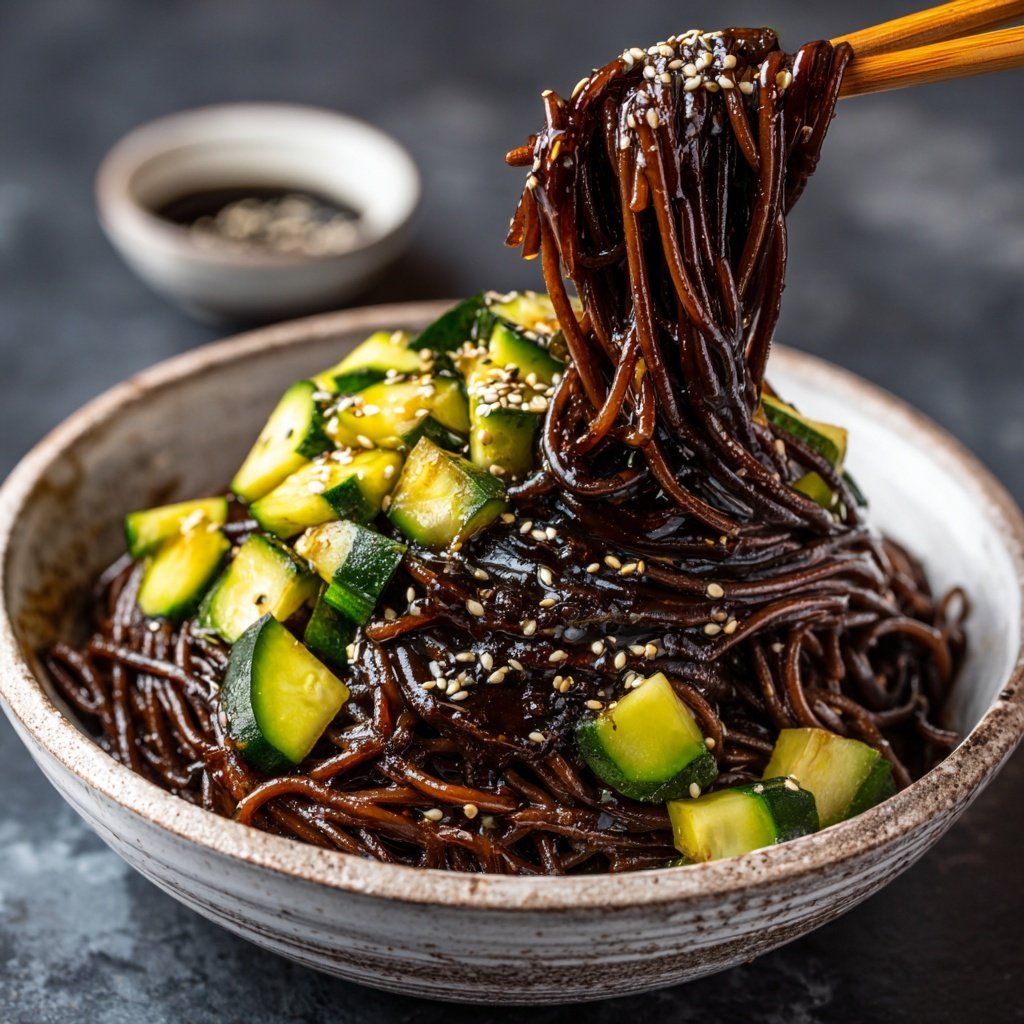
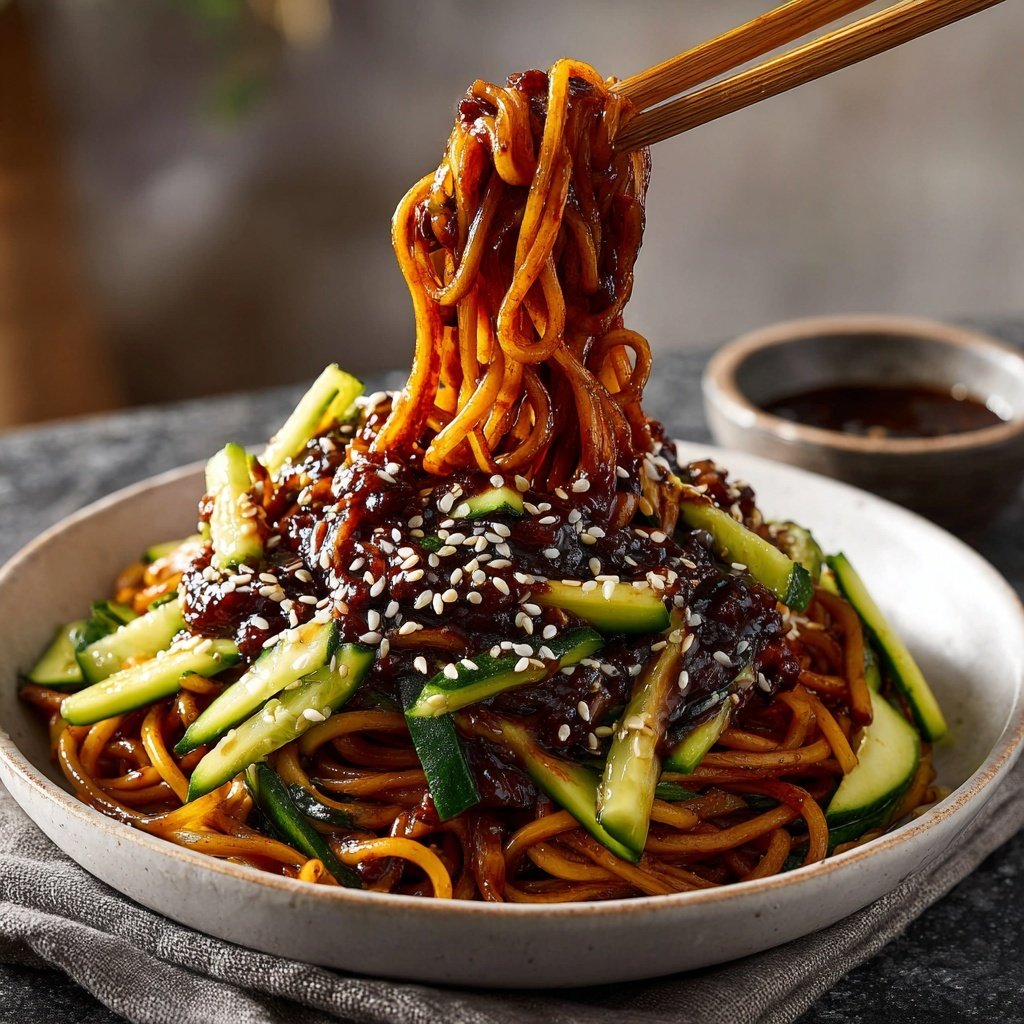
Discover the rich and savory delight of Korean Black Bean Noodles, known as Jjajang. This comforting dish features thick noodles coated in a flavorful black bean sauce, making it a favorite among many.
Korean Black Bean Noodles, or Jjajang, is a beloved dish that combines the robust flavors of fermented black bean paste with fresh vegetables and chewy noodles. This dish is not only satisfying but also a wonderful representation of Korean cuisine.
Why You'll Love This Recipe
- Bold and savory flavors that tantalize your taste buds
- Quick and easy to prepare for a weeknight dinner
- Hearty and satisfying, perfect for noodle lovers
The Essence of Jjajang
Korean Black Bean Noodles, or Jjajang, is a beloved dish that showcases the unique flavor profile of black bean paste, known as chunjang. This thick, savory sauce is the star of the dish, offering a depth of flavor that is both bold and comforting. Originating from Chinese cuisine, Jjajang has been adapted over the years, becoming a staple in Korean households. The combination of chewy noodles and the rich sauce creates a satisfying meal that is both filling and delicious.
Jjajang is often enjoyed in Korea during special occasions or family gatherings, making it more than just a meal—it's a way to bring people together. The dish can be customized with various vegetables and proteins, allowing for versatility in preparation. Whether you’re a seasoned cook or trying your hand at Korean cuisine for the first time, Jjajang is a fantastic introduction to the world of Korean flavors.
Perfect Pairings
When serving Jjajang, consider pairing it with a side of pickled radish, known as danmuji. The tangy and slightly sweet flavor of the pickles complements the savory richness of the black bean sauce, enhancing the overall dining experience. You might also enjoy a refreshing cucumber salad, which adds a crunchy texture and balances the flavors on your plate.
For those who enjoy a bit of heat, adding some sliced fresh chili or a drizzle of chili oil can elevate the dish further. A warm bowl of soup, such as a light vegetable broth, can also serve as a great side, providing a soothing contrast to the hearty noodles. Experiment with these pairings to find your perfect combination!
Tips for Making the Best Jjajang
To achieve the best texture for your noodles, be sure not to overcook them. Follow the package instructions closely and aim for al dente. This will ensure they hold up well when mixed with the sauce, preventing them from becoming mushy. Additionally, rinsing the noodles under cold water after draining can help stop the cooking process and remove excess starch.
When preparing the sauce, feel free to experiment with the vegetables you include. While traditional recipes often call for zucchini and cabbage, you can add bell peppers, mushrooms, or even carrots for added flavor and nutrition. The key is to balance the vegetables with the robust flavor of the black bean paste, creating a harmonious dish that is tailored to your taste.
Ingredients
For the Noodles
- 12 oz thick wheat noodles
- Water for boiling
For the Sauce
- 4 tablespoons black bean paste (chunjang)
- 2 tablespoons vegetable oil
- 1 onion, chopped
- 1 zucchini, diced
- 1 cup cabbage, shredded
- 2 cloves garlic, minced
- 1 cup water or vegetable broth
- 1 tablespoon soy sauce
- 1 teaspoon sugar
- 1 green onion, chopped
Gather all ingredients and prepare to cook!
Instructions
Cook the Noodles
In a large pot, bring water to a boil. Add the thick wheat noodles and cook according to package instructions until al dente. Drain and set aside.
Prepare the Sauce
In a large skillet or wok, heat the vegetable oil over medium heat. Add chopped onion and sauté until translucent. Stir in zucchini and cabbage, cooking until they soften.
Add the Black Bean Paste
Push the vegetables to the side of the skillet. Add black bean paste and garlic to the center, stirring for about 1 minute. Combine with the vegetables.
Make the Sauce
Pour in water or vegetable broth, soy sauce, and sugar. Stir well and let it simmer for about 5 minutes until the sauce thickens.
Combine Noodles and Sauce
Add the cooked noodles to the sauce, tossing to coat evenly. Cook for an additional 2-3 minutes, allowing the noodles to absorb the flavors.
Serve
Garnish with chopped green onions and serve hot. Enjoy your homemade Jjajang!
Enjoy your delicious Korean Black Bean Noodles!
Pro Tips
- For an extra kick, add sliced chili peppers to the sauce while cooking.
Nutritional Benefits
Korean Black Bean Noodles not only offer rich flavors but also come with a host of nutritional benefits. Black bean paste, the key ingredient, is made from fermented soybeans, providing a good source of protein and fiber. This can contribute to a balanced diet, especially for those looking to incorporate more plant-based meals.
The vegetables used in Jjajang, such as cabbage and zucchini, are packed with vitamins and minerals. Cabbage, for instance, is known for its antioxidant properties, while zucchini adds a boost of hydration and essential nutrients. Together, they make Jjajang a wholesome meal that can satisfy both your taste buds and your nutritional needs.
Variations to Try
While the classic Jjajang recipe is delightful on its own, there are several variations you can try to keep the dish exciting. For instance, you can add diced pork or beef to the sauce for a heartier meal. Simply sauté the meat with the onions before adding the vegetables and black bean paste for an extra layer of flavor.
Vegetarians can enjoy a mushroom version of Jjajang by substituting meat with assorted mushrooms like shiitake or oyster. The umami flavor of the mushrooms pairs beautifully with the black bean sauce, ensuring that the dish remains satisfying without the meat. Don't hesitate to get creative with your ingredients and explore different flavor combinations!
Questions About Recipes
→ What type of noodles can I use?
You can use thick wheat noodles, but other types like udon or even spaghetti can work in a pinch.
→ Can I make this dish vegetarian?
Yes! Simply use vegetable broth and omit any meat ingredients.
→ How can I store leftovers?
Store leftovers in an airtight container in the refrigerator for up to 3 days. Reheat in a skillet with a splash of water.
→ Is Jjajang spicy?
No, traditional Jjajang is not spicy. However, you can add chili paste or fresh chilies for heat if desired.
Korean Black Bean Noodles Jjajang
Created by: The Whiskwonderfood Team
Recipe Type: Cross-Cultural Cooking Recipes
Skill Level: Intermediate
Final Quantity: 4 servings
What You'll Need
For the Noodles
- 12 oz thick wheat noodles
- Water for boiling
For the Sauce
- 4 tablespoons black bean paste (chunjang)
- 2 tablespoons vegetable oil
- 1 onion, chopped
- 1 zucchini, diced
- 1 cup cabbage, shredded
- 2 cloves garlic, minced
- 1 cup water or vegetable broth
- 1 tablespoon soy sauce
- 1 teaspoon sugar
- 1 green onion, chopped
How-To Steps
In a large pot, bring water to a boil. Add the thick wheat noodles and cook according to package instructions until al dente. Drain and set aside.
In a large skillet or wok, heat the vegetable oil over medium heat. Add chopped onion and sauté until translucent. Stir in zucchini and cabbage, cooking until they soften.
Push the vegetables to the side of the skillet. Add black bean paste and garlic to the center, stirring for about 1 minute. Combine with the vegetables.
Pour in water or vegetable broth, soy sauce, and sugar. Stir well and let it simmer for about 5 minutes until the sauce thickens.
Add the cooked noodles to the sauce, tossing to coat evenly. Cook for an additional 2-3 minutes, allowing the noodles to absorb the flavors.
Garnish with chopped green onions and serve hot. Enjoy your homemade Jjajang!
Extra Tips
- For an extra kick, add sliced chili peppers to the sauce while cooking.
Nutritional Breakdown (Per Serving)
- Calories: 450 kcal
- Total Fat: 14g
- Saturated Fat: 2g
- Cholesterol: 0mg
- Sodium: 600mg
- Total Carbohydrates: 70g
- Dietary Fiber: 5g
- Sugars: 4g
- Protein: 12g